01
What Art. 4 requires
Art. 4 requires a sufficient level of AI competence among everyone who operates or uses AI systems on the company's behalf. The scope depends on role, context and risk. It is about practical ability, not a form to file.
AI Workshop
Since 02 February 2025 the AI literacy obligation under Art. 4 EU AI Act applies. Companies must ensure that employees who work with AI or use its outputs have sufficient AI competence. The hackathon can support the implementation of these measures and delivers real results at the same time. The 1-day AI workshop already documents a practical AI literacy measure, and the multi-day Corporathon hackathon deepens it further.

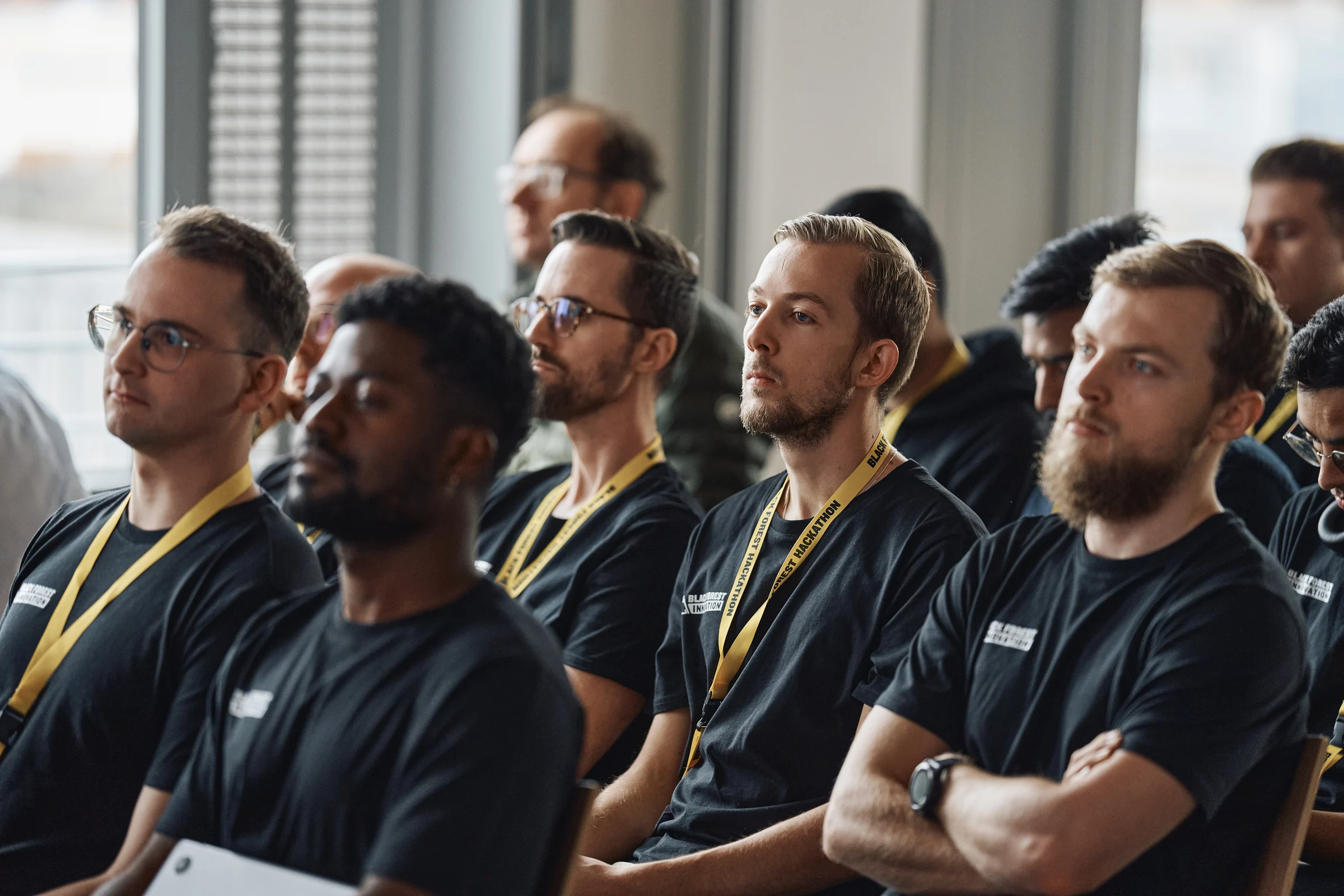
Built for


Since 02 February 2025 the AI literacy obligation under Art. 4 EU AI Act applies. Companies must ensure that employees who work with AI or use its outputs have sufficient AI competence. The hackathon can support the
The format
Since 2 February 2025 Art. 4 EU AI Act applies. The 1-day AI workshop already documents a practical literacy measure, the hackathon deepens it.
01
Art. 4 requires a sufficient level of AI competence among everyone who operates or uses AI systems on the company's behalf. The scope depends on role, context and risk. It is about practical ability, not a form to file.
02
It applies to providers and deployers of AI systems, so in practice to every company that uses AI in daily work. That ranges from the marketing team with ChatGPT to engineering with code assistants.
03
The 1-day AI workshop already builds practical AI competence directly on one real task and documents participation and the skills conveyed. The multi-day Corporathon hackathon builds on that and deepens the record across several teams and challenges. Both formats produce a competence record for your employees that supports a documented approach to the duty.
04
Participant list, tools and competences conveyed, challenges worked on and the results produced. This documentation is part of the impact report and serves as evidence for an internal or external review.
Output, not slides
A hackathon is not a seminar. It is a facilitated sprint where teams rebuild real work with AI.
0 week
from scope to ready-to-run sprint
0 formats
Spark, Ignite and Blaze
0 steps
from call to documented handoff

How it works
Corporathon + sponsor · goal, scope and date
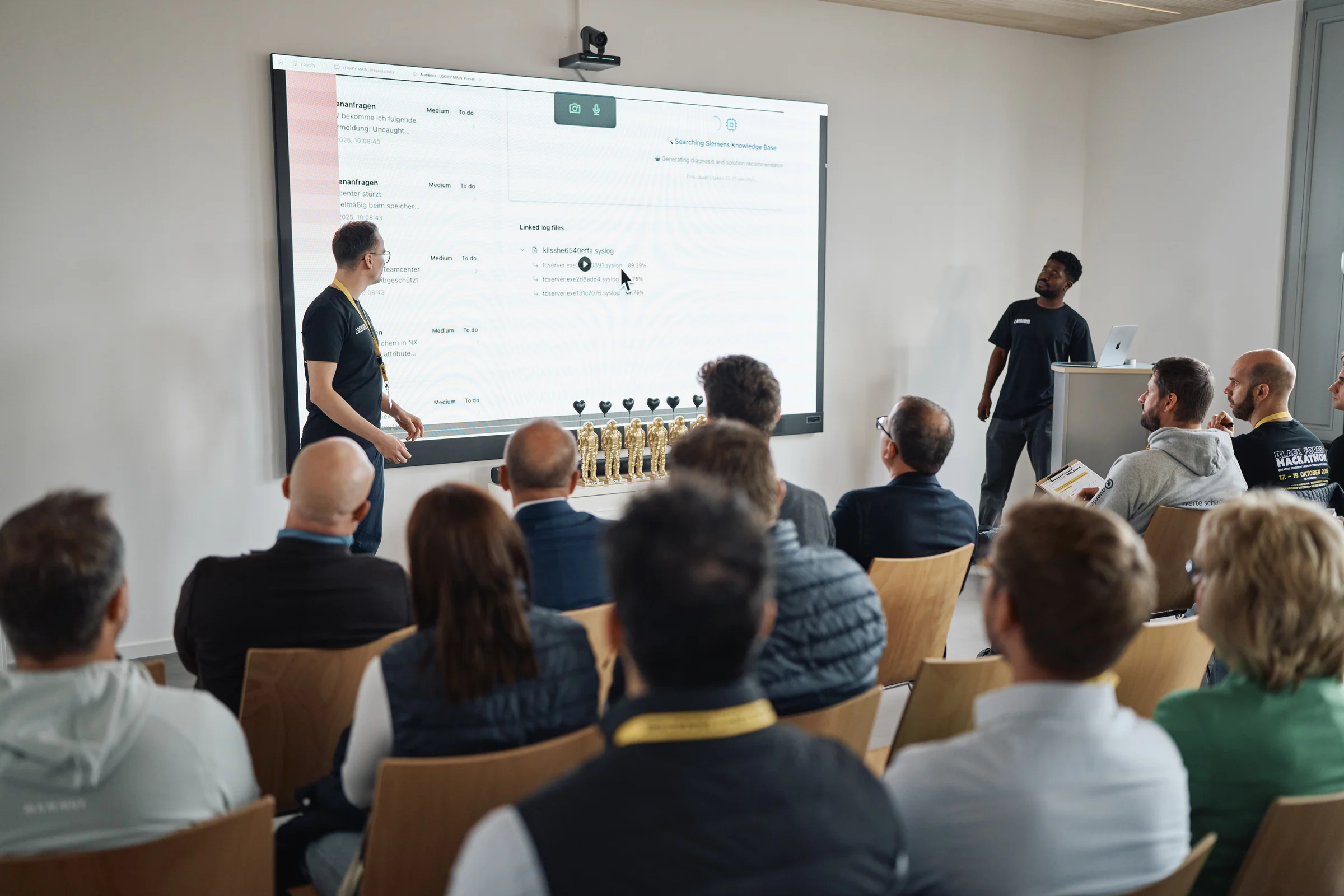
Corporathon + team leads · real use cases and tool stack

Client · approved data, roles and boundaries

Corporathon · teams can use the stack
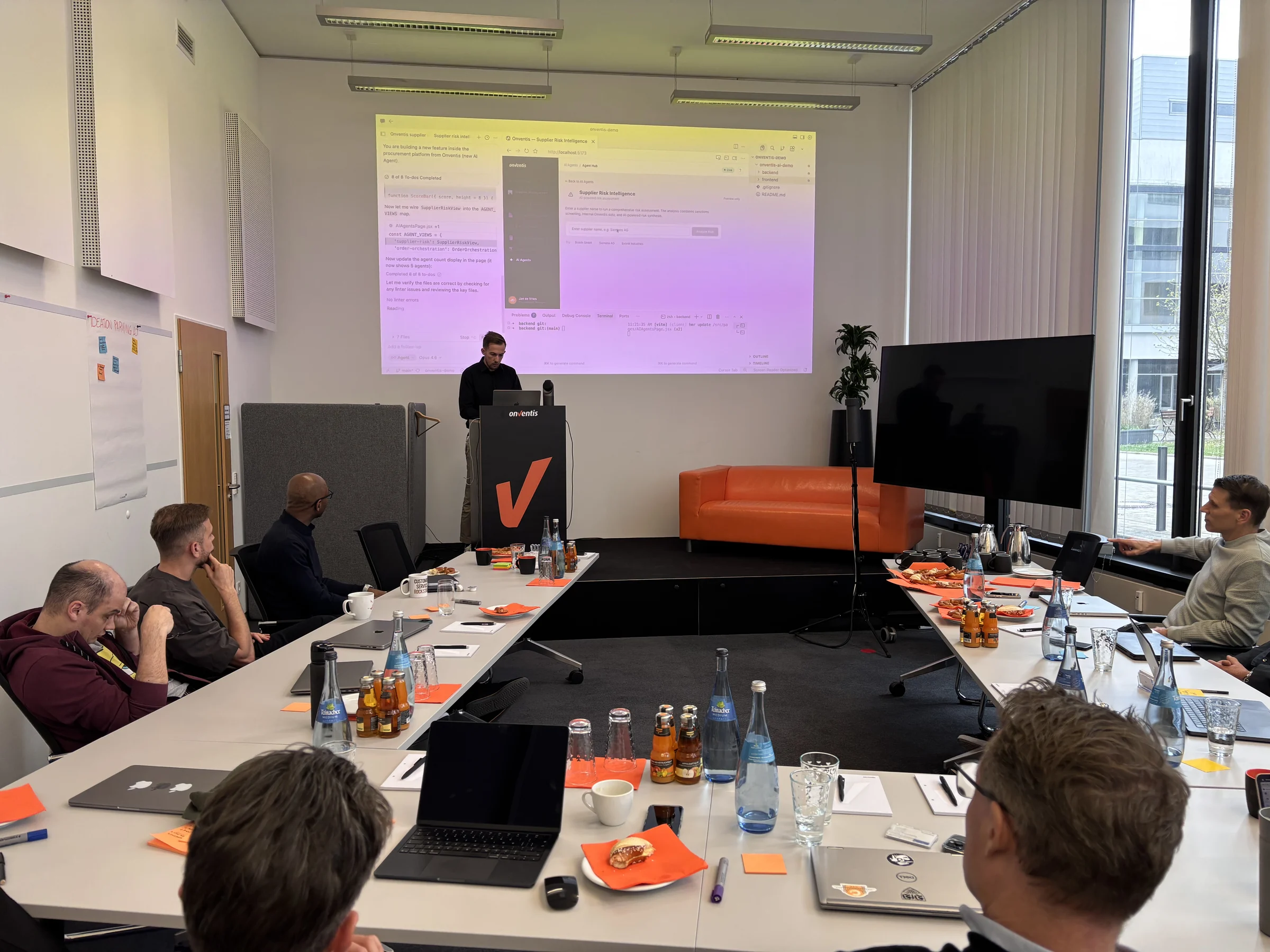
Teams · working prototypes

Next step
Book a discovery call directly, we clarify goal, format and date in the call.
The calendar loads external content from Cal.com. Click to load it, or accept "functionality" in the cookie settings so it loads automatically next time.
FAQ
Since 2 February 2025 Art. 4 EU AI Act applies. The 1-day AI workshop already documents a practical literacy measure, the hackathon deepens it.
Since 02 February 2025 Art. 4 EU AI Act applies. Companies must ensure sufficient AI competence among employees who work with AI systems or use their outputs.
Yes. It builds practical AI competence on real tasks and delivers a documented competence record. That can support a documented Article 4 approach and adds working prototypes instead of just a proof of participation.
The EU AI Act provides a tiered sanction framework. More important than fear of penalties is that competent teams use AI better and more safely. The hackathon addresses both at once.
Usually no. The hackathon can support the implementation of AI literacy measures and goes beyond it, because your team ends up working with the tools instead of only hearing about them.
You get a documented handoff: prototypes, setup, open items and a recommendation on which results deserve to go to production.
We define target metrics before the sprint, hours saved, cycle time, quality or revenue contribution, and review them in the closing session.
Slots are usually available within two to four weeks. With a clearly scoped use case it can be sooner.
Usually not for smaller formats. As soon as production systems are connected, we bring IT and security in early.
There is no proof of participation at the end, there is a working result: built workflows that keep running in daily operations.
For teams in marketing, sales, operations, product and IT. Coding skills are not required, the facilitation is built so every team ships a working prototype.